The marina phone speaks one language. The dock speaks four.
Serving a multilingual community is core marina operations, not a courtesy. Here’s where it tends to break, and the bookings it quietly costs.
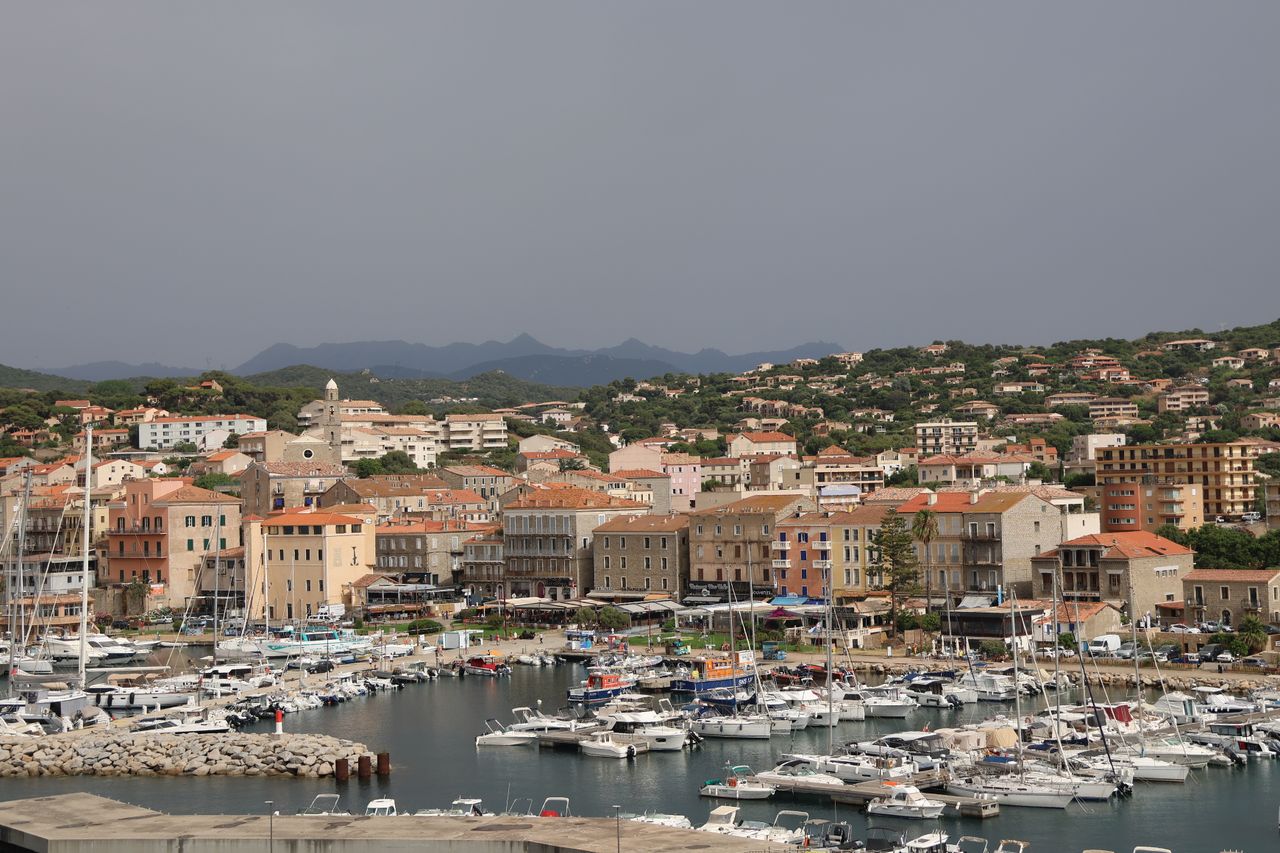
Most marinas serve a more diverse community than their phone line lets on. Coastal and resort waterfronts run on people who arrive from everywhere: owners bringing boats up the coast, delivery captains, charter guests, seasonal crews. Meeting them in the language they’re comfortable in isn’t hospitality polish. It’s operations, the same as fueling the docks or scheduling the lift.
The marina below is a composite, and the numbers are modeled, not pulled from a real customer.
Here’s a composite that makes it concrete. A coastal marina in peak season, four seasonal dock crew, a hundred-and-fifty-odd inbound calls in a busy week. Over one morning the slips fill in English, Spanish, French, and Portuguese: an owner bringing a boat up the coast, a delivery captain, a charter guest, a couple touring for the summer. The dock handles all four without blinking. The phone, sitting in the office, speaks whatever the one person who picks it up happens to speak. That gap is where serving a diverse community quietly falls apart.
A few assumptions sit underneath the way most marinas staff that phone. Each one holds until the community you serve gets diverse, and then it doesn’t.
“Everyone in boating speaks English”
On the open water, mostly yes. On a coastal or resort dock, often no. These markets run on seasonal crews, foreign-flagged boats, delivery captains, and visiting owners, and plenty of them would rather not negotiate a slip contract or a haul-out in their second language. They can. They just don’t enjoy it, and given the choice they’ll call the marina that makes it easy. “Mostly English” holds right up until the call that isn’t, and that call is usually a booking.
“We’ll just hire someone bilingual”
This is the fix most operations reach for, and it half-works. One bilingual dockhand covers one language on one shift. The Spanish speaker is great until the French delivery captain calls, or until she goes home at five, or until peak season stacks three calls at once and she’s already out on the radio. You can’t hire your way to four languages, around the clock, on a seasonal marina’s payroll. The usual result is one language covered well and the rest covered by hope.
“Automated translation feels robotic, customers will hate it”
That used to be true. It isn’t anymore. A caller hears a natural voice in their own language, gets their question answered, and books the slip, often without realizing they’re talking to an AI at all. The effect tends to be the opposite of what operators fear: the call feels warmer to someone who expected to struggle and didn’t. Being met in your own language isn’t robotic. It’s the most human part of the call.
“Multilingual is a nice-to-have, not real revenue”
This is the assumption that costs the most, because the math is quiet but real. A caller who can’t be understood doesn’t leave a voicemail and wait for a callback. They hang up, and that booking goes to whoever can take it in their language.
Here’s how it pencils out for the composite marina above, every figure modeled and illustrative:
| Modeled input | Illustrative value |
|---|---|
| Inbound calls in a busy peak week | ~150 |
| Share from callers whose first language isn’t English | ~20% (~30 calls) |
| Of those, calls lost to a language gap | ~25% (~7-8 calls) |
| Modeled value of a transient or short-stay booking | ~$200 |
| Booked work slipping away | ~$1,500 / week in season |
None of those numbers come from a real customer. They’re modeled from typical coastal-marina call volumes and industry booking patterns, and yours will look different. But the direction is hard to argue with: in season, a single un-handled language is a steady weekly leak, and it leaks your highest-intent callers, the ones ready to book right now.
What changes when the phone speaks every language
BluSynq answers every call, text, and email in the caller’s language, 24/7, in a natural voice. It doesn’t just translate and take a message. It books the slip, sends the quote, captures the e-signature, and collects payment, then drops the whole conversation into one inbox with a plain-English summary your team can read in seconds, whatever language it happened in. If you’d rather keep a hand on the wheel, it runs in Ask mode and checks with you before it acts. When you trust it, Auto mode handles the routine on its own. It reads and updates your system, whether that’s DockMaster, BluMarina, or your own setup, so a slip booked in Portuguese at 9pm shows up correctly without anyone re-keying it in the morning.
The part that matters most operationally: nobody who calls gets stranded because of the language they speak, so serving a diverse community stops depending on who happens to be at the desk. Every call gets handled, and the bookings stop quietly leaking to someone else.
See it for yourself
BluSynq is early, so don’t take our word for it. Call the live agent and try it in whatever language you like, then book a short demo. Live in under a day, no setup fees, cancel anytime.
Illustrative scenario. BluSynq is an early-stage product; figures shown are modeled from typical marina operations and industry patterns, not a specific customer result. Your numbers will vary.