The phone that rings while everyone’s in the yard
In season, a repair shop’s whole team is billable and outside. The calls that come in anyway are worth more than most owners think.
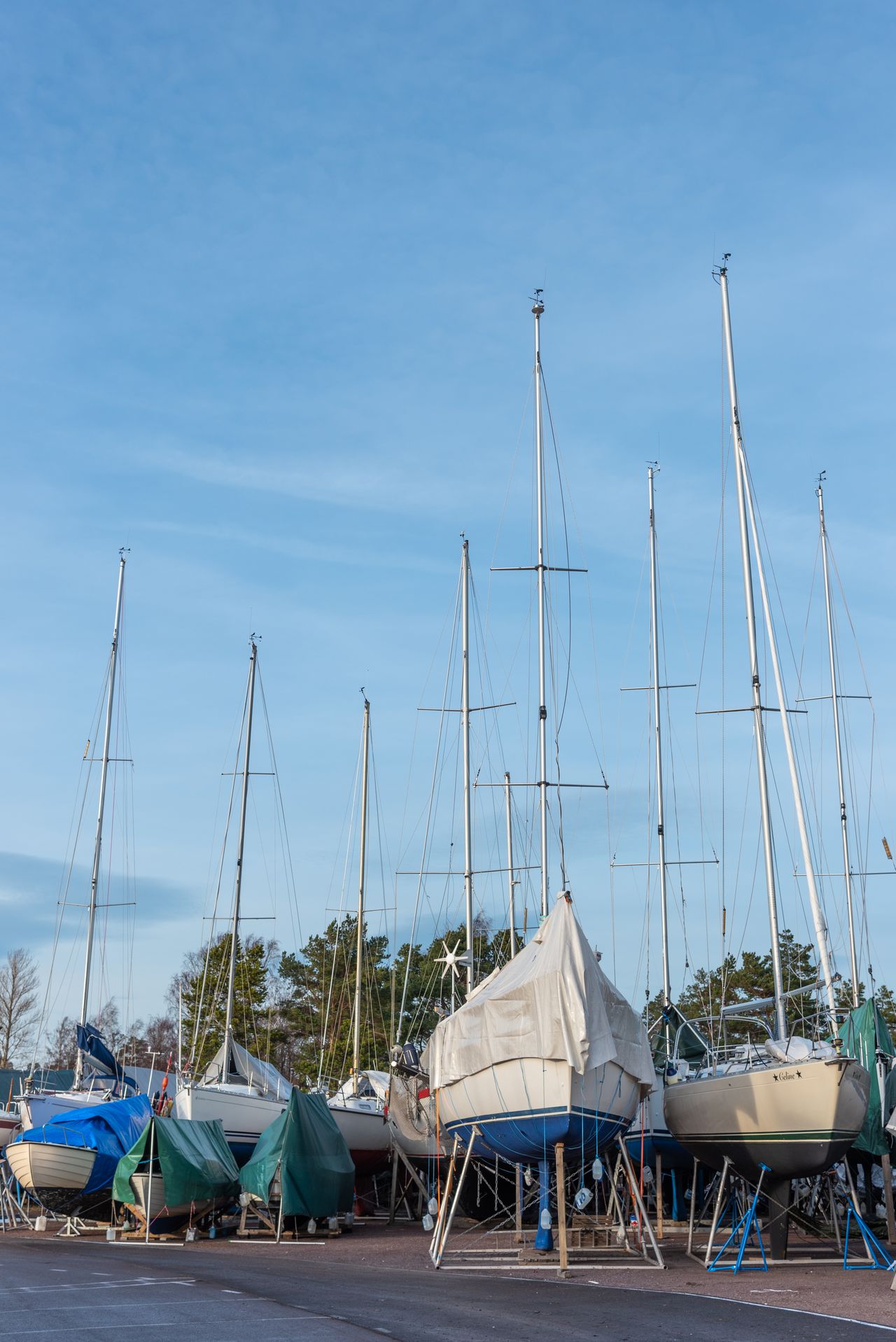
This is a modeled example, not a customer story. The shop below is a composite and every figure is illustrative. But if you run a repair shop in season, you’ll recognize the day.
Take a typical three-tech marine repair shop in July. Every tech is booked out two weeks. The owner turns wrenches half the day because the schedule demands it. The office chair is empty from 8 to 5, not because nobody cares about the phone, but because everyone who could answer it earns the shop more money doing something else.
So the phone rings into an empty room. Over a grinder and a pressure washer, nobody hears it. It goes to voicemail, and voicemail in a repair yard is where calls go to expire.
Who’s actually calling
The calls a shop misses in season aren’t telemarketers. They’re boat owners with a problem that’s ruining their week: an outboard that won’t start on a Saturday, an impeller that let go halfway across the bay, a survey punch list with a sale date attached. These callers have money in hand and a deadline. They don’t want a callback Tuesday. They want to hear a voice, describe the problem, and know it’s handled.
When they get voicemail, some leave a message. Plenty don’t. And the ones who don’t aren’t gone because your work is bad. They’re gone because another shop answered.
The frustrating part is that answering these calls barely takes any judgment. Most of them need one of three things: a slot on the schedule, a rough quote, or a status update on a boat already in the yard. A person could handle each one in three minutes. The problem was never the difficulty of the calls. It was that the three minutes always lands when your hands are inside an engine.
What ten calls a day are worth
Model it for that same three-tech shop on a season weekday. Every figure here is illustrative, drawn from typical shop patterns rather than a measured result:
| The modeled day | Modeled |
|---|---|
| Calls into the shop | 10 |
| Answered from the yard | 4 |
| Hit voicemail | 6 |
| New-work inquiries among the missed | 2 |
| Average ticket for that work | $480 |
| Callers who never try again (modeled at half) | 1 |
| Work left on the table per day | ~$480 |
| Per week, in season | ~$2,400 |
You can argue any single line. Maybe your average ticket is higher, maybe more of your callers persist. The shape holds either way: through the exact months your team is too busy to answer, the phone is producing your next month of work, and most of it is landing in a mailbox nobody checks until dark.
What good looks like
Now replay the same day with BluSynq answering. Every call gets picked up on the first ring, 24/7, in a natural voice. The owner with the dead outboard describes the problem, gets a slot on your schedule, and hangs up knowing it’s handled. The caller asking about a repower gets a quote started. The customer checking on their boat gets an update pulled from your system, because BluSynq connects to DockMaster and BluMarina and can read the service record.
Every conversation, voice, text, or email, lands in one inbox with an AI summary and a searchable transcript. You walk in from the yard at 4:30 and read your whole day of calls in five minutes.
You also decide how much it does on its own. In Manual mode it drafts and you send. In Ask mode it confirms with you before acting. In Auto mode it handles the routine, booking, quoting, sending the e-signature, collecting payment on signing, and only flags what needs a human. Most shops start cautious and loosen up as they watch it work.
Why this beats the usual fixes
An answering service takes a message. You already have a machine that takes messages, and the message was never the problem. The follow-up was. BluSynq finishes the job in the same conversation: the slot booked, the quote sent, the signature captured, the deposit collected. Nothing waits for you to get to a desk.
And it doesn’t ask much of you to find out. Setup takes less than a day, there are no setup fees, and you can cancel anytime. The quickest test is to call the agent yourself at +1 (775) 403-6388 and hand it the same problem your customers would.
Your yard already generates the demand. The only question is whether the phone that rings into an empty office keeps it.
Illustrative scenario. BluSynq is an early-stage product; figures shown are modeled from typical marina operations and industry patterns, not a specific customer result. Your numbers will vary.